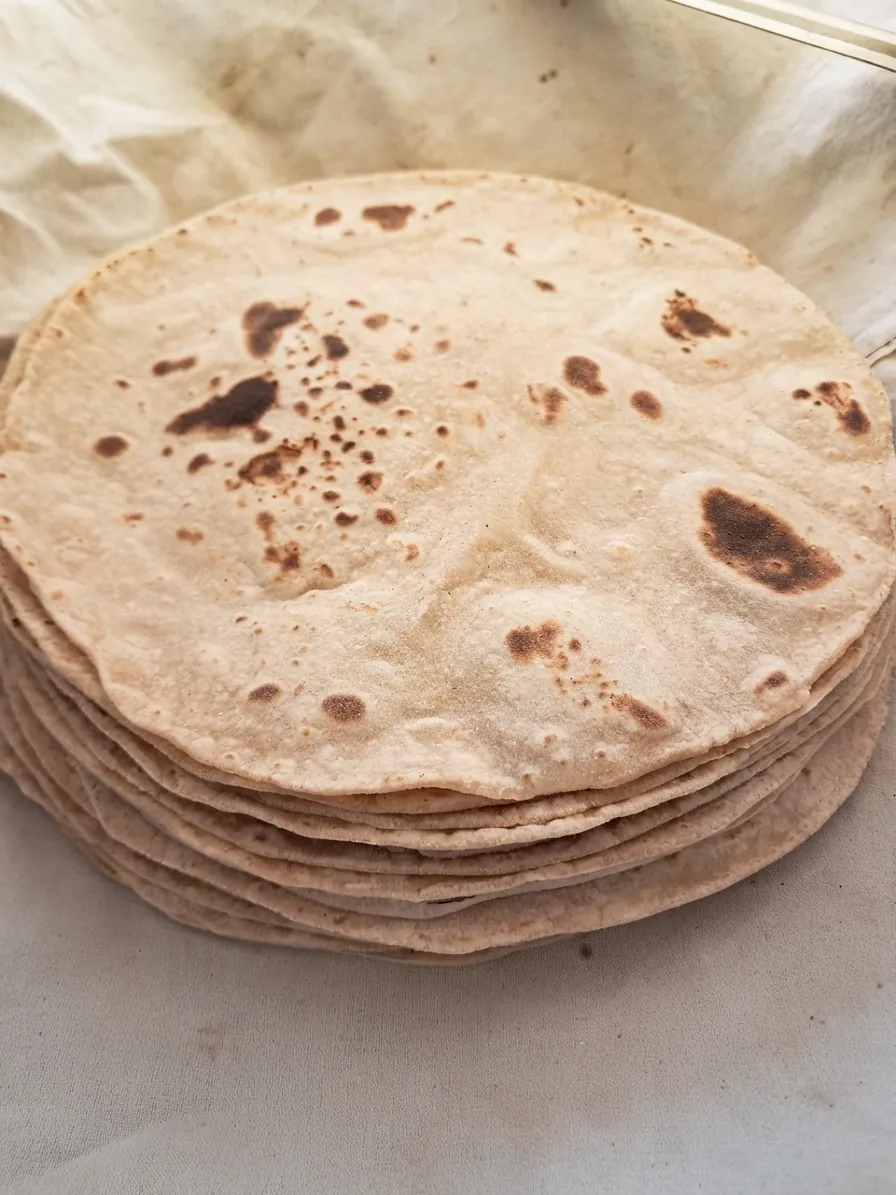
If you run a mess, a tiffin service, a hotel, a dhaba or a catering business, you already know that chapatis are the hardest part of the menu to keep consistent. Gravies can be standardised with a recipe. Rice is predictable. But chapatis depend on people: how the dough is kneaded, how evenly each one is rolled, how hot the tawa is, and how tired the cook is by the 400th roti.
That’s why more food businesses are choosing to buy chapatis from a dedicated supplier instead of making them in-house. Done right, it saves staff costs, space and stress. Done wrong, it can cost you customers. Here’s a practical checklist, from a kitchen that supplies chapatis in bulk, to help you choose well.
Why Businesses Outsource Chapatis
Before the checklist, let’s be clear about the problems outsourcing usually solves:
- Staff dependency: a good roti cook is hard to find and harder to keep. When they take leave, quality collapses.
- Inconsistent quality: sizes and thickness vary between cooks and even across a single shift.
- Space and gas: chapati-making needs counter space, tawas and a lot of gas.
- Time pressure: during lunch and dinner rushes, chapatis become the bottleneck.
- Hidden costs: flour wastage, gas, salaries, and rotis made but not sold.
The 9-Point Checklist
1. Is the supplier FSSAI registered?
This is the starting point. Any business selling food in India needs FSSAI registration or a licence. Ask for the number and check it. If you serve customers food made by an unregistered supplier, you are taking a risk with your own reputation.
2. Can you visit the kitchen?
A trustworthy supplier will be happy to show you where your chapatis are made. Look at the cleanliness of the work surfaces, machines and storage. Are staff washing their hands? Is the flour stored properly? A five-minute visit tells you more than any brochure.
3. How consistent is the size and weight?
Your customers notice when the chapati on Monday is bigger than the one on Wednesday. Ask the supplier how they control size. Do they weigh dough balls or just eyeball them? At our kitchen, every dough ball is weighed so each chapati comes out the same. Consistency also helps you control food cost per plate.
4. Are the chapatis made fresh the same day?
Some suppliers make chapatis in large batches the night before and deliver them in the morning. Ask directly: when were these made? Chapatis made in the same shift as delivery will always taste better and stay softer through service.
5. How soft do they stay after a few hours?
For a mess or tiffin service, chapatis may be eaten two or three hours after delivery. Ask for samples and test them. Keep a few aside and check them after two hours and again after four. Do they stay soft, or turn hard and chewy? Good dough hydration, oil and proper packing make a big difference.
6. Can they handle your quantities, including peak days?
It’s easy to supply 100 chapatis. It’s harder to supply 1,000 reliably every day, and harder still to scale up suddenly for a wedding season or festival. Ask about their daily capacity, how much notice they need for extra orders, and what happens if a machine breaks down.
7. Is delivery timing reliable?
Chapatis that arrive 30 minutes late during a lunch rush can ruin your service. Discuss exact delivery windows, who delivers, and how they handle traffic or rain. A supplier located close to you is a real advantage.
8. What ingredients do they use?
Ask about the flour, the oil and whether any additives or preservatives are used. Some suppliers use dough improvers to keep chapatis soft. These are permitted food additives in many cases, but you should know what’s in the food you serve. If your customers ask, you should be able to answer honestly.
9. Are the pricing and payment terms clear?
Get a clear price per piece, the minimum order quantity, delivery charges if any, and payment terms in writing. Ask what happens if you reduce quantities on a slow day or need to pause supply. Transparent terms make for a long relationship.
Run a Proper Trial
Our advice: before you commit to a monthly arrangement, run a one- or two-week trial with a smaller quantity alongside your existing setup. Ask your regular customers what they think. They’ll tell you honestly.
During the trial, track a few simple things: on-time delivery, how many chapatis were damaged or wasted, softness at service time, and customer feedback. At the end of two weeks, you’ll know whether the supplier works for your business.
Calculating Whether It’s Worth It
When comparing in-house production with outsourcing, include all the costs, not just flour:
- Cook salaries and the cost of covering their leave
- Gas for the tawa, which runs for hours
- Flour, oil and wastage
- Kitchen space you could use for other dishes
- Your own time managing staff and quality problems
Many mess and restaurant owners find that once everything is counted, buying chapatis is cost-competitive, and it removes one of the biggest headaches from their day.
Red Flags to Watch Out For
- A supplier who won’t share an FSSAI number or let you see the kitchen.
- Chapatis that smell stale or feel damp and sticky on arrival.
- Prices that are far below everyone else’s. Very cheap chapatis often mean poor flour, reused oil or stored rotis.
- No clear answer about what happens when they can’t deliver.
Bulk Chapatis From Samarth Chapati House
We supply chapatis and bhakris to mess owners, tiffin services, hotels, restaurants, caterers and offices in Nashik. Here’s what you can expect from us:
- FSSAI-registered kitchen in Lekhanagar (Lic. No. 21524072002331)
- Weighed dough for uniform size, every day
- Fresh morning and evening batches
- Machine rolling and baking for consistent quality at volume
- Clear pricing and agreed delivery timings
You’re welcome to visit our kitchen and to start with a trial order. Message us on WhatsApp with your daily quantity and location, and we’ll send you a quote.
Fresh rotis, delivered in Nashik
Chapati, bhakri, nagli roti and puran poli made fresh twice a day. Order on WhatsApp at 7498630507.