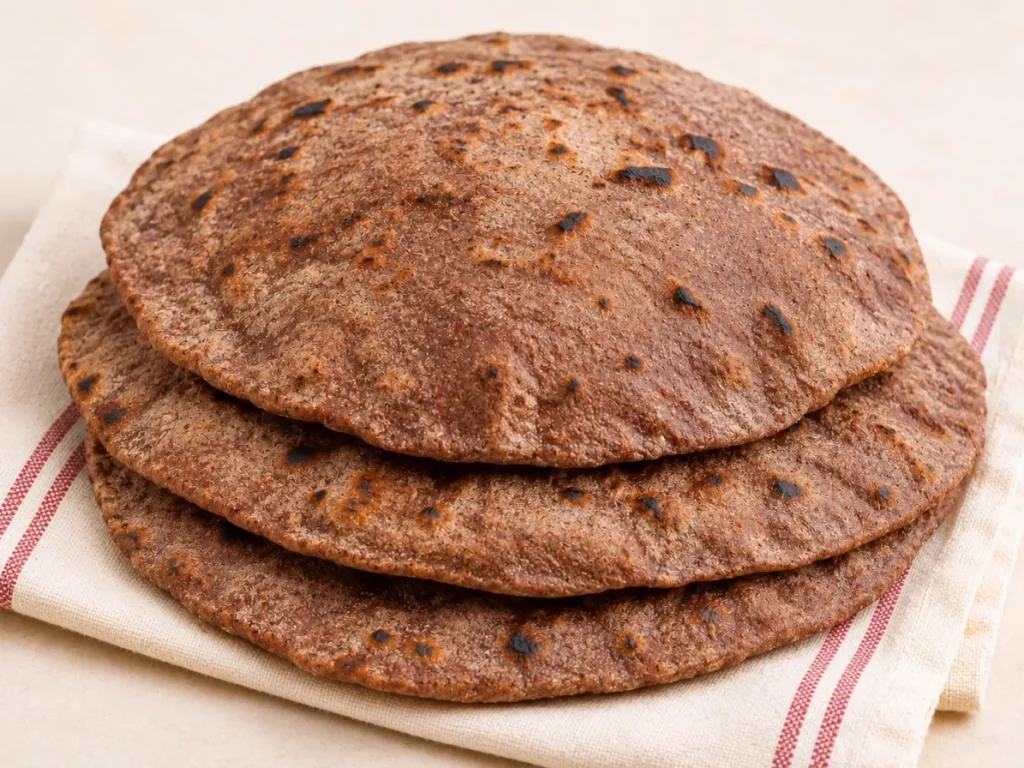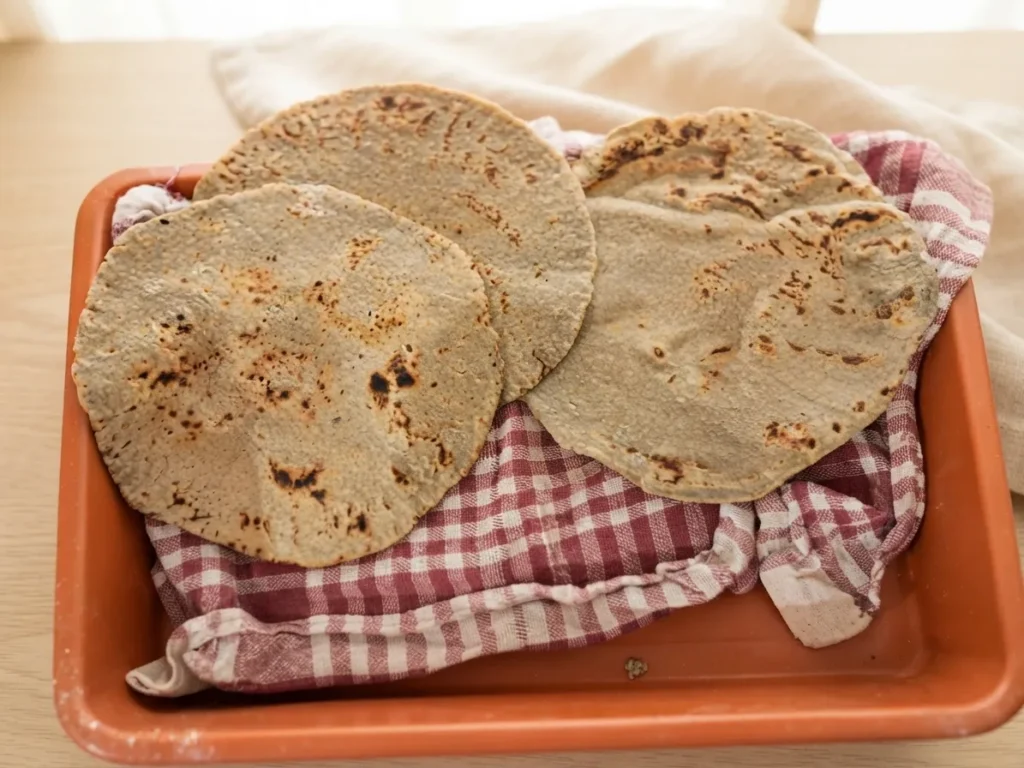
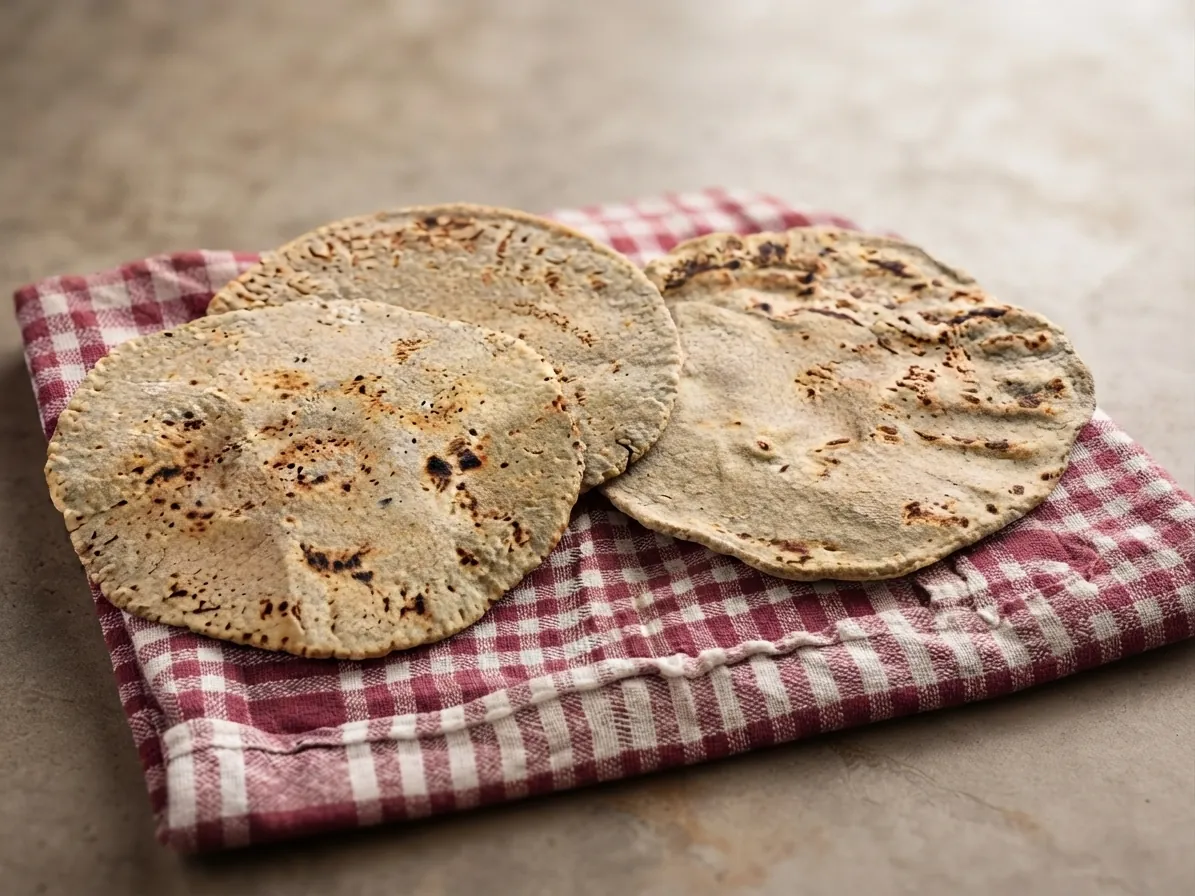
Walk into almost any village kitchen in Nashik district on a December morning and you will hear the same sound: the soft, rhythmic pat-pat of bajri dough being pressed into a bhakri by hand. As the nights turn cold, families across Maharashtra quietly switch from wheat chapatis to bajri bhakri. Our grandparents didn’t need a nutrition chart to tell them why. They simply knew that bajri kept them warm, full and strong through the winter.
Today, with more people looking for traditional, less processed food, bajri is having a comeback in city homes too. In this article we look at what makes bajri (pearl millet) special, why it is a natural winter food, and how to eat it in a way your family will actually enjoy.
What Is Bajri?
Bajri, known in English as pearl millet, is one of the oldest cultivated grains in India. It grows well in dry, hot regions with poor soil and little rain, which is why it became a staple in Rajasthan, Gujarat and large parts of Maharashtra. Farmers have relied on it for centuries because it survives where wheat and rice struggle.
The small grey-green grains are ground into a coarse flour. Unlike wheat, bajri flour contains no gluten, so it doesn’t form a stretchy dough. That’s why bajri is not rolled with a belan like a chapati. Instead, the dough is kneaded with warm water and patted out by hand, a skill that takes real practice to master.
Why Bajri Is a Traditional Winter Food
In Ayurvedic and folk traditions, bajri is described as a “warming” grain. Whether or not you follow those traditions, there are practical reasons why it suits the cold season.
It keeps you full for longer
Bajri is a whole grain that is rich in dietary fibre. Fibre slows down digestion, so a bajri bhakri releases energy gradually instead of all at once. In winter, when the body naturally craves heavier food, a meal of bhakri with a vegetable keeps you satisfied for hours and reduces the urge to snack.
It is a good source of minerals
Pearl millet is widely known for its mineral content, including iron and magnesium, along with B vitamins and plant protein. These are nutrients that many Indian diets, especially those built mostly on polished rice and refined flour, don’t get enough of.
It pairs perfectly with winter produce
The traditional bajri meal is a seasonal meal. Think of bhakri with methi or shepu bhaji, green garlic chutney, white butter or ghee, jaggery, or a bowl of pithla. These foods appear in markets in winter, and together they make a filling, balanced plate.
Is Bajri Good for Everyone?
Bajri is a healthy grain for most people, but a few honest points are worth knowing.
- It is naturally gluten-free. This makes it a useful option for people who want to reduce wheat. Remember, though, that bhakris made in a kitchen that also handles wheat may come into contact with it, so people with celiac disease should ask before buying.
- It is filling, so portions matter. One bajri bhakri is heavier than one chapati. Many people find one or two bhakris enough for a meal.
- Introduce it gradually. If your family is not used to millets, start with bhakri two or three times a week. The higher fibre takes some getting used to.
- Talk to your doctor if you have a medical condition. If you have thyroid problems, kidney issues or diabetes, it is sensible to ask a doctor or dietitian how much millet suits you.
Why Bajri Bhakri Is Hard to Make at Home
If bajri is so good, why don’t more city families eat it daily? Because making a good bajri bhakri is genuinely difficult.
Without gluten, the dough cracks easily. It must be kneaded with warm water, often one bhakri’s worth at a time, because bajri dough dries out quickly. Each bhakri is patted out by hand on a wooden board or plate, gently turned with the fingers to keep the edges even, and then moved to a hot tawa. It is cooked on one side, sprinkled with water on the top, flipped, and finished over a direct flame so it puffs. Get the thickness wrong and it is either raw inside or brittle.
For someone who grew up watching their aaji do it, this is second nature. For most young professionals in Nashik, it’s a weekend project at best.
How We Make Bajri Bhakri at Samarth Chapati House
We treat bhakri differently from chapati in our kitchen. While our chapatis benefit from machines for rolling and baking, bajri bhakri is still made the traditional way.
- The flour is fresh, because bajri flour can turn bitter if it sits for too long after grinding.
- Dough is kneaded in small portions with warm water so it stays pliable.
- Each bhakri is patted out by hand by cooks who have done it for years.
- It is cooked on a hot tawa and finished on direct heat for that slightly smoky, puffed result.
That is also why bajri bhakri costs more than a chapati. It simply takes more skill and time per piece.
Best Ways to Enjoy Bajri Bhakri
Our favourite winter plate: hot bajri bhakri, a spoon of white butter or ghee, thecha or green garlic chutney, and a bowl of methi bhaji or pithla.
- With jaggery and ghee: a simple, comforting breakfast that children often love.
- Crumbled into curd or buttermilk: a cooling lunch for warmer afternoons.
- Kuskarlela bhakri: crumble yesterday’s bhakri, temper it with mustard seeds, onion and green chilli, and you have a quick, tasty snack.
- With baingan bharta or zunka: the classic Maharashtrian pairing.
Keeping Bhakri Fresh
Bajri bhakri is best eaten fresh and warm. As it cools, it becomes firmer than a chapati. To keep it soft for a few hours, wrap it in a clean cotton cloth inside a closed box. To reheat, warm it on a tawa for a few seconds on each side, or sprinkle a little water and cover it briefly. Don’t store bhakri in the fridge for long; it dries out quickly there.
Bring Bajri Back to Your Table
Bajri bhakri is not a trend. It’s part of Maharashtra’s food heritage, and it fits the way many of us want to eat today: whole grains, fewer processed foods and meals that keep us going. The only thing that usually stands in the way is time.
If you’d like to enjoy hand-patted bajri bhakri this winter without spending your evenings at the tawa, order from us on WhatsApp. We’ll make it fresh and deliver it across Nashik.
Fresh rotis, delivered in Nashik
Chapati, bhakri, nagli roti and puran poli made fresh twice a day. Order on WhatsApp at 7498630507.